Important note
This article is general information about the UK regulatory framework, written for laboratory customers. It is not legal advice. Organisations with specific questions about the status of a product should consult the MHRA guidance cited below or take professional advice.
The legal definition of a medicinal product
In the UK, medicines for human use are regulated principally under the Human Medicines Regulations 2012 [1]. The definition of a medicinal product is set out in regulation 2 [2]. As summarised in MHRA guidance, a medicinal product is [3]:
- any substance or combination of substances presented as having properties of preventing or treating disease in human beings; or
- any substance or combination of substances that may be used by or administered to human beings with a view to restoring, correcting or modifying a physiological function by exerting a pharmacological, immunological or metabolic action, or making a medical diagnosis.
The regulations define disease broadly – the guidance quotes it as including “any injury, ailment or adverse condition, whether of body or mind” [3]. The two limbs are often described as medicine “by presentation” and medicine “by function”.
Why presentation matters
The first limb means that how a product is described can be enough to bring it within the definition. MHRA guidance explains that, when deciding whether a product is a medicine, it looks at the claims made about what the product does – explicit and implicit – as well as the properties of the ingredients, the primary intended purpose, whether similar licensed products exist, and how the product is presented to the public through labelling, packaging, promotional literature, advertisements, websites, social media and customer reviews [3].
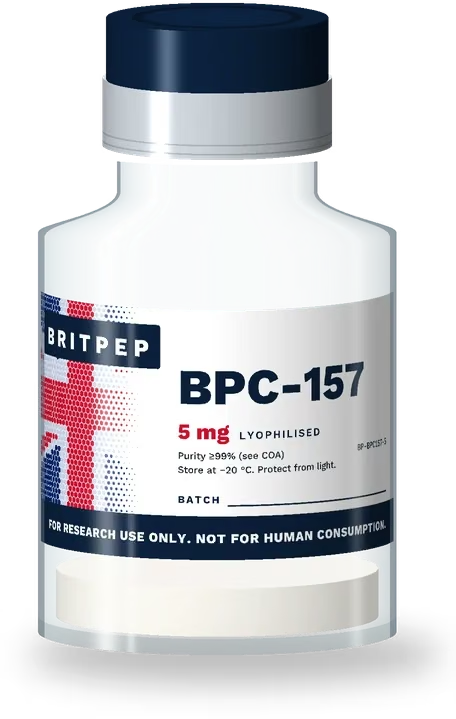
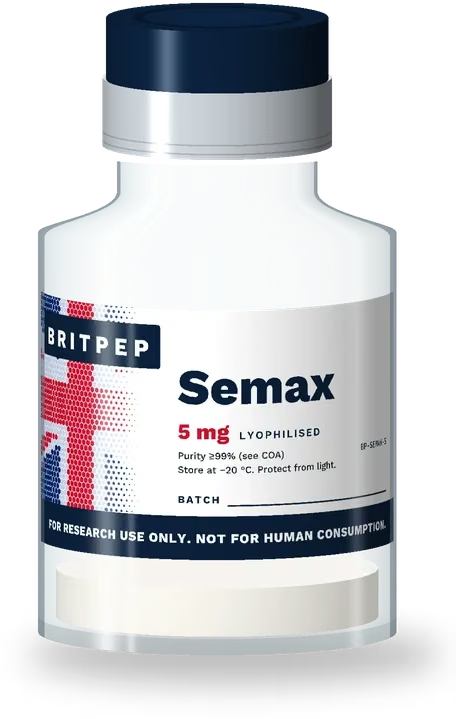
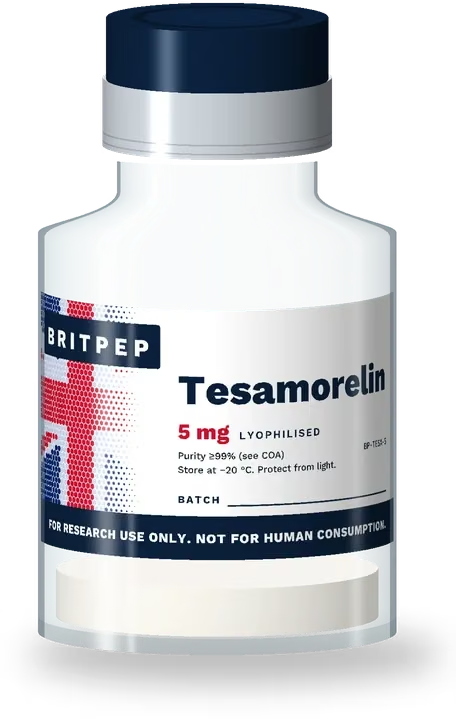
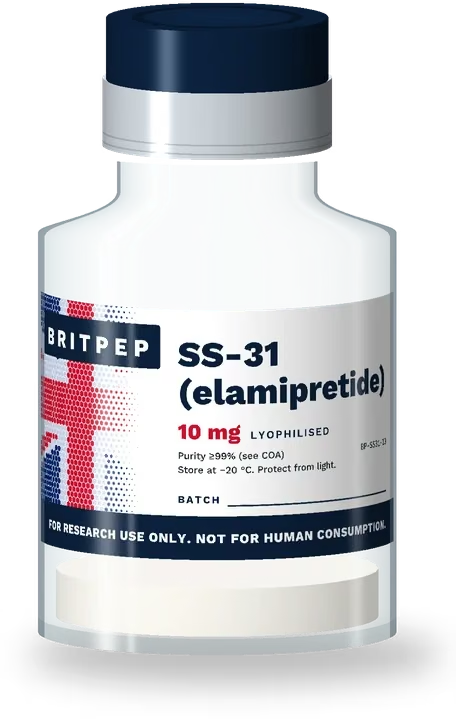
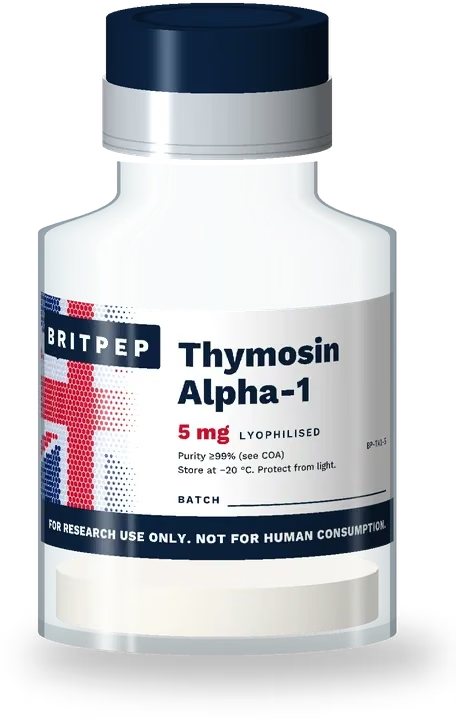
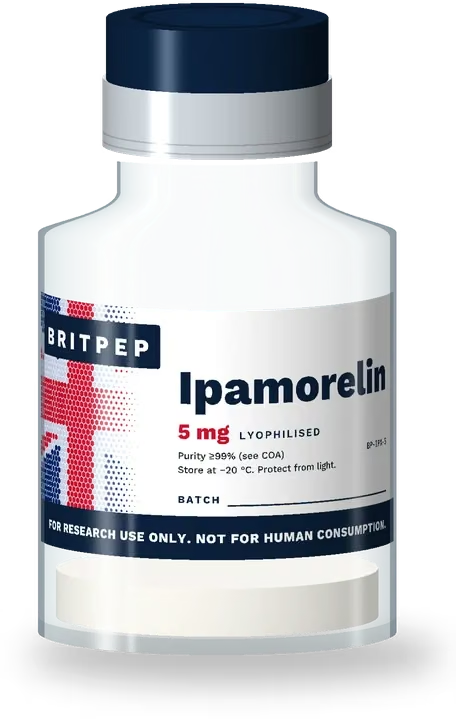
This is the reason a responsible research supplier avoids describing what a compound might do in a person, avoids dosing information, and does not publish testimonials. It is also why product names, sequences, CAS numbers and analytical data are the right way to describe research materials: they identify the substance without presenting it for human use.
What research use only means in practice
“Research use only” (RUO) describes material supplied for laboratory investigation – analytical work, in-vitro experiments and similar research – and not for administration to humans or animals. A product sold on that basis is not a medicine, a food supplement or a cosmetic, and it has not been assessed for safety, quality or efficacy as any of those things. For Britpep this means:
- Products are sold only to adults purchasing for research institutions, laboratories and companies, and each order includes research-use declarations.
- Product pages describe identity, analytical data and the published scientific literature – never human use, effects or dosing.
- We do not answer questions about administration or dosing, and may refuse any order.
- Delivery is to UK addresses only.
Several compounds sold for research also have an approved medicinal counterpart somewhere in the world, or have been studied in clinical trials. That does not change the status of research-grade material: a research-grade vial has not been manufactured or authorised as a medicine in the UK, and our product pages say so where it is relevant.
Other regulatory regimes
The medicines definition is not the only framework that can apply to a substance. MHRA guidance notes that borderline products can include cosmetics, food products (particularly food supplements), herbal products, biocides and laboratory equipment [3]. Food supplements containing familiar substances such as vitamins, amino acids or minerals are generally regulated under food safety and labelling law rather than medicines control – unless they are presented for medicinal uses [3]. The guidance also points out that including herbal or “natural” ingredients does not stop a product being a medicinal product [3].
Research peptides are deliberately not presented as any of these consumer product types. A product sold for laboratory research is not offered as a food, a supplement or a cosmetic, and its description should not suggest that it is – which is why our product pages state explicitly that our products are not medicines, food supplements or cosmetics. Our research use policy sets out the conditions in full.
How MHRA decides borderline cases
Products whose status is unclear are called borderline products. The MHRA decides whether a product falls within the definition of a medicinal product, either when a manufacturer or seller asks for advice or when it receives a complaint that a product is being marketed as a medicine without an appropriate authorisation [3]. The agency publishes its final determinations on borderline products [3].
For laboratories, the practical point is that the research-use framework depends on suppliers and buyers both treating the material as a research reagent. Purchasers who need material for any other purpose should obtain an authorised medicine through the proper route.
Checklist for laboratory buyers
- Does the supplier describe products by identity and analytical data rather than by effects?
- Is there a lot-specific certificate of analysis for each vial? See how to read a COA.
- Does the supplier refuse dosing or administration questions?
- Are company details, terms and a UK contact published?
Britpep’s terms of sale set out the research-use conditions that apply to every order, and our FAQ answers common questions about ordering and delivery.
References
- The Human Medicines Regulations 2012 (SI 2012/1916). legislation.gov.uk. www.legislation.gov.uk/uksi/2012/1916/contents
- The Human Medicines Regulations 2012, regulation 2: medicinal products. legislation.gov.uk. www.legislation.gov.uk/uksi/2012/1916/regulation/2
- Medicines and Healthcare products Regulatory Agency. Borderline products: how to tell if your product is a medicine. GOV.UK guidance. www.gov.uk/guidance/borderline-products-how-to-tell-if-your-product-is-a-medicine
References were checked against PubMed and official UK sources at the time of writing. Summaries describe what each source reports; they are not claims about Britpep products.